What is a Spinal Fusion?
- Katelan Pittick

- Jan 5, 2023
- 2 min read
Updated: Jan 8, 2023
Spinal fusion is a type of surgical procedure that joins two or more vertebrae into one singular structure. This involves applying hooks and screws to the spine to anchor large titanium rods. The rods are used to carefully reposition the areas of the spine that are affected by scoliosis. This helps to correct the abnormal curvature and rotation of the spine. Essentially, the rods are used as a splint to hold the spine in place while the bones (vertebrae) slowly begin to fuse. Once the procedure has been completed and the bones have fused, it will then hold its position and shape due to the loss of flexibility that the vertebrae would otherwise permit.

When is a Spinal Fusion Necessary?
Most experts would only ever recommend a spinal fusion when the curvature of the spine is greater than 45 degrees and is showing signs of progression. This is based off of what category the spines curvature falls under, to decide whether surgery is the best course of action. A curve 50 degrees or higher is deemed 'severe', meaning a spinal fusion would be considered necessary to prevent any future complications.
Risks of a Spinal Fusion
Anaesthesia complications- can be caused due to a reaction from the drugs used or from another underlying medical issue you may have.
Thrombophlebitis- when blood clots form inside the veins of the legs.
Infection- occur very rarely in spinal fusions as surgeons take every precaution to prevent them. However, infections can become very serious if left untreated and could require additional operations to drain the infection.
Spinal cord injury- can cause serious injuries to the nerves or damage the spinal cord which can cause paralysis in certain areas, depending on which spinal nerves are affected.
Pseudarthrosis- when vertebrae fail to heal and fuse together.
Although there are many risks that come with surgery, it is important to know that the risks listed above are NOT common but is just something to be made aware of. A specialist will always go over the risks of complications with their patient before a procedure. The risks of surgery can seem frightening. However, if severe Scoliosis is left un treated and continues to progress it can potentially lead to very serious health problems.
Risks of Leaving Scoliosis Untreated
Restricted lung capacity- the progressing curvature of the spine can cause the ribs to put pressure on the lungs. This can lead to shortness of breath.
Cardiovascular problems- if the curvature of the spine reaches a particular level of severity, it can cause the rib cage to put increased pressure on the heart making it harder to efficiently pump blood. If not corrected, it may even lead to heart failure.
Significant spinal deformity- noticeable changes in appearance, including shoulders that are not level with each other, uneven hips, ribs on one side of the body that stick out farther than the other, a sideways tilt of the waist and trunk of the body.
Spinal fusion recovery
It will typically take 6-8 weeks to get back into doing simple activities. However, most people feel that they have completely recovered after one year post operation. The recovery time after having a spinal fusion varies depending on the severity of your condition, your age and your fitness levels pre-surgery. To ensure a faster and more successful recovery process it is recommended to see a physiotherapist which will help your body get used to the newly fused spine by preforming certain exercises.
Images of the 'hardware' used for a spinal fusion.

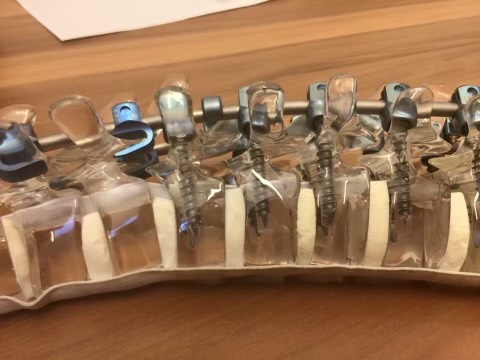

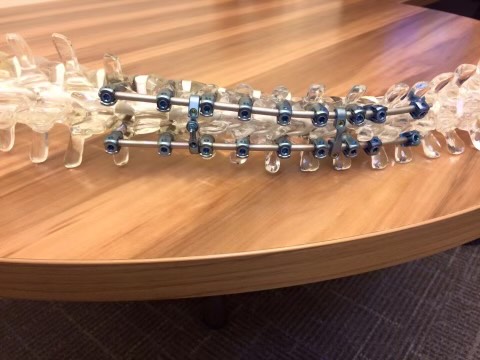
Stay tuned for more on this page! I will be discussing all things scoliosis in hopes to spread awareness and first hand knowledge for those who are wanting to learn more about this diagnosis.
-Katelan Pittick


Comments